EPIIC 2022-23 Power and Prejudice: Race and International Relations
The influence of race on the theory and practice of international relations is an issue of vital importance.


The influence of race on the theory and practice of international relations is an issue of vital importance.

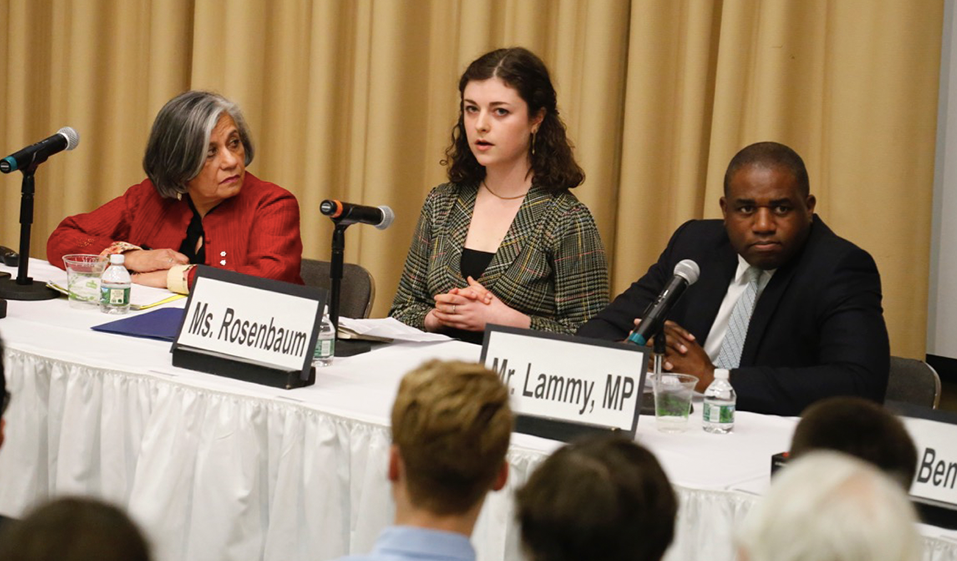
Isabel Rosenbaum (A’21) moderates the first EPIIC Symposium panel “Barriers to Belonging.”
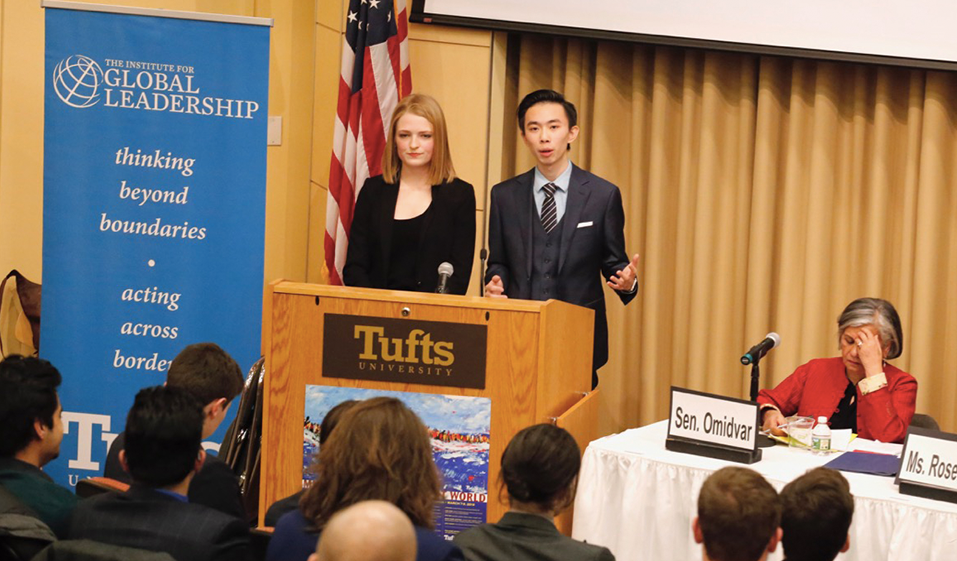
Madison Reid (A’21) and Shaobo Zhou (A’21) gave an introduction to begin the EPIIC Symposium.
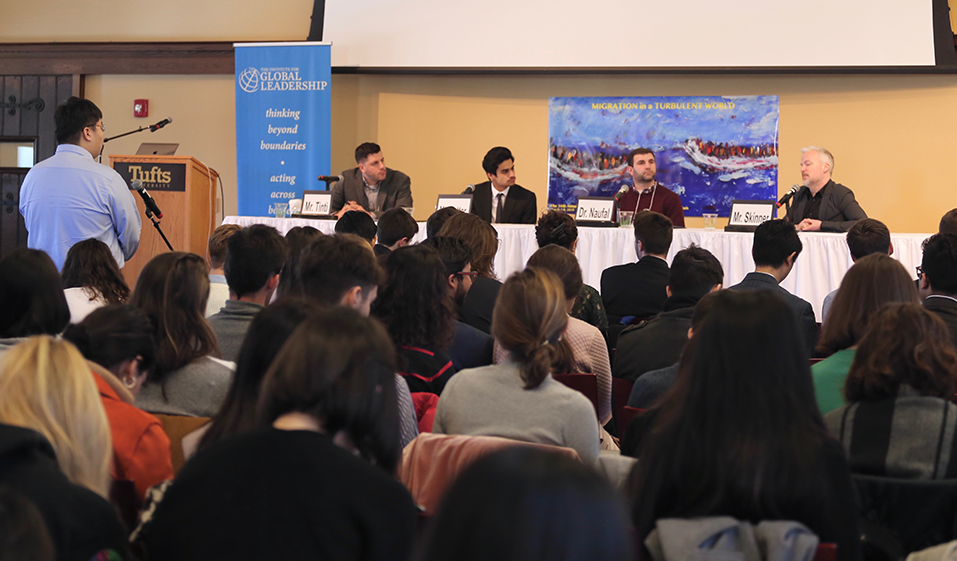
TILIP Delegate Jianzhang Lu from Peking University in China asks a thought-provoking question about human trafficking in the 21stcentury.
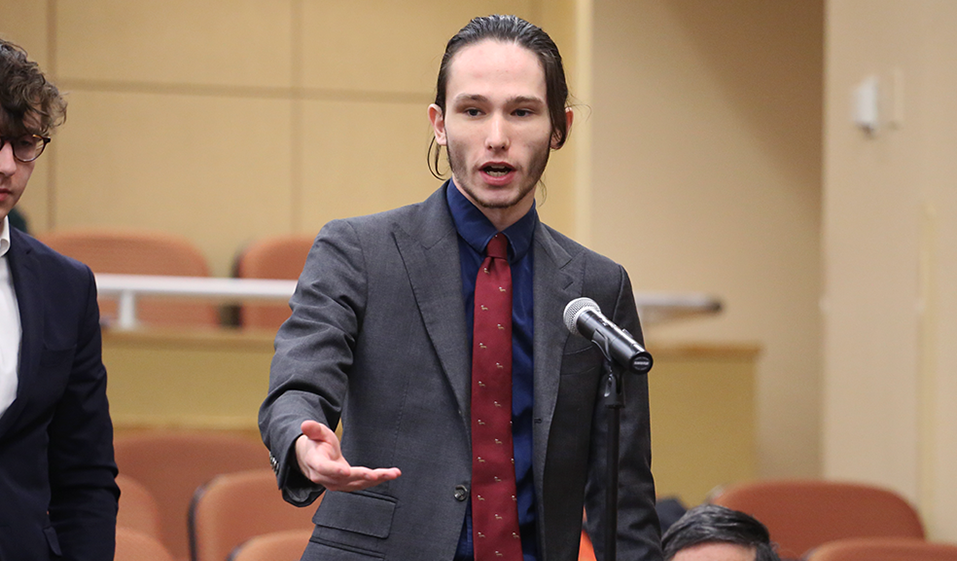
EPIIC Colloquium student Carlos Irisarri poses questions to Symposium panelists.
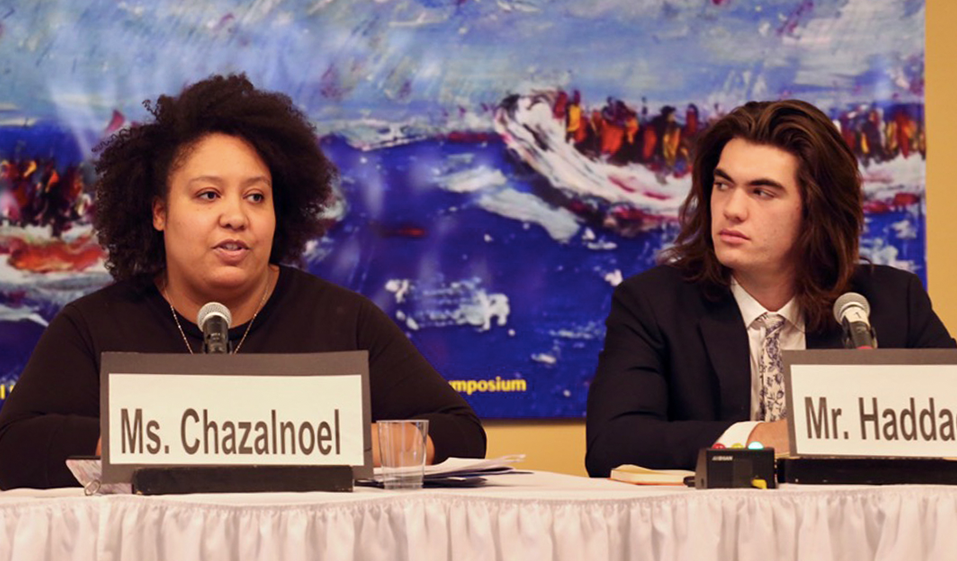
Bringing her experience with the International Organization for Migration, Mariam Traore Chazalnoel speaks passionately on Defining Refugees in a Changing Climate
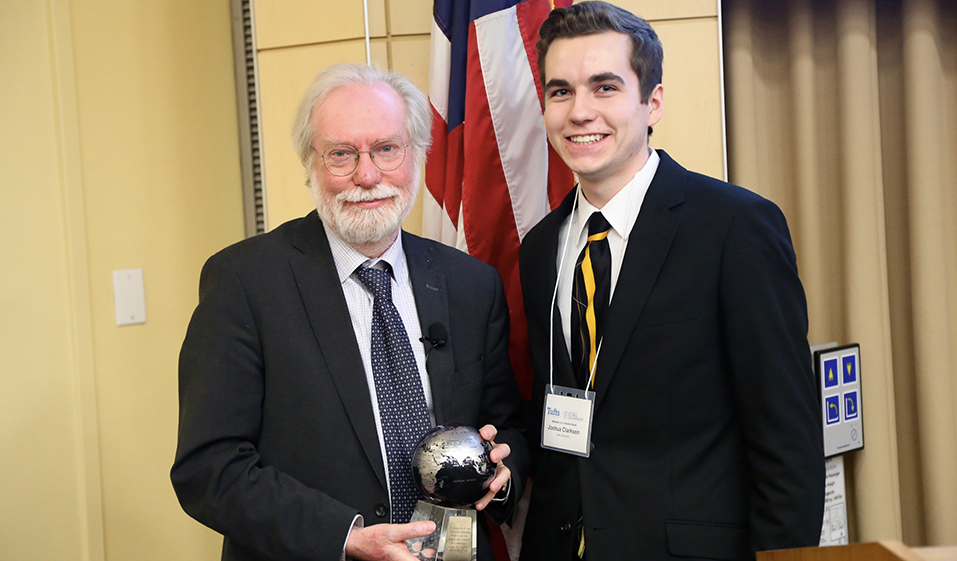
Joshua Clarkson (A’21) presents the Mayer Global Citizenship Award, 2019, to Sir Paul Collier
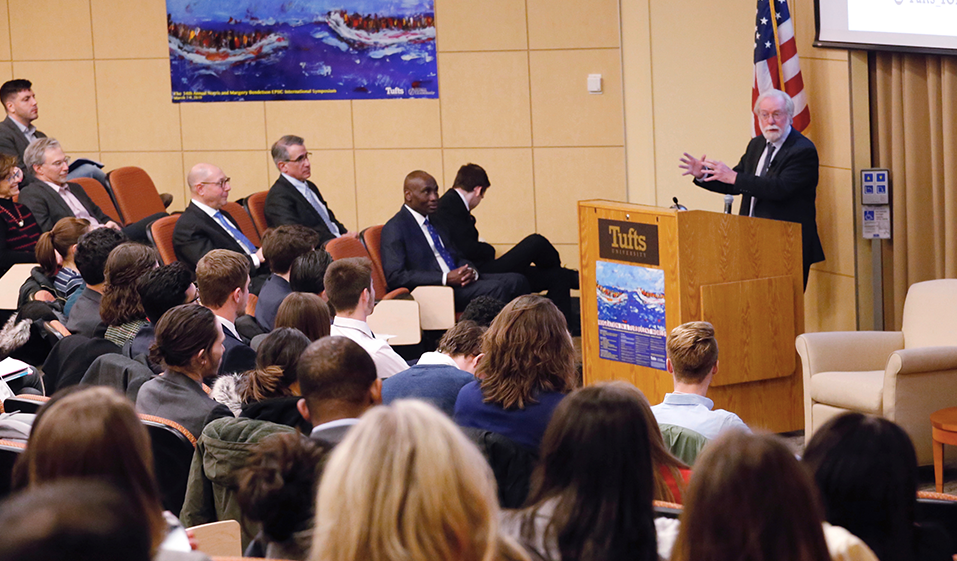
Attendees of the EPIIC Symposium listen eagerly as Professor Collier delivers his Keynote address.
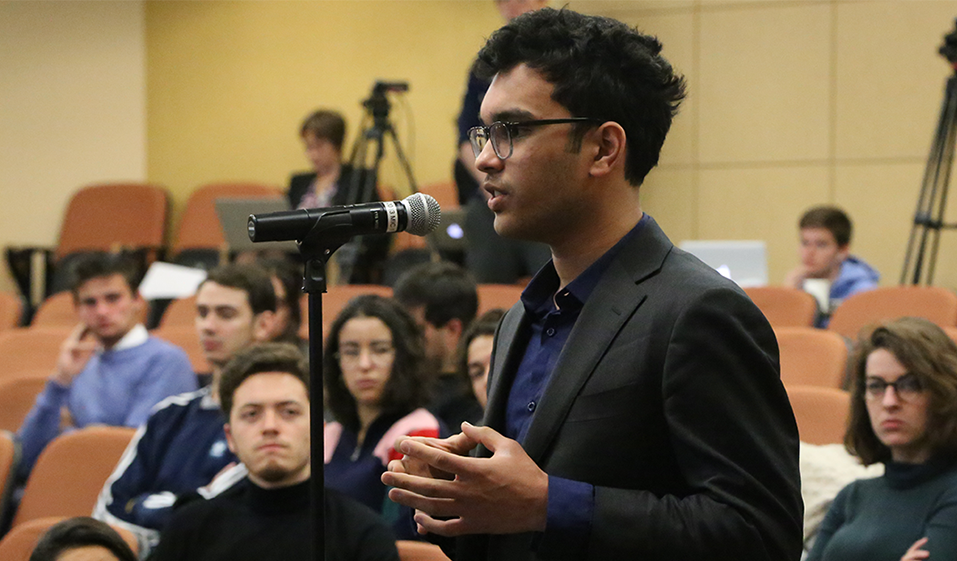
EPIIC Colloquium student Mrugank Bhusari poses a questionon “south to south migration.”
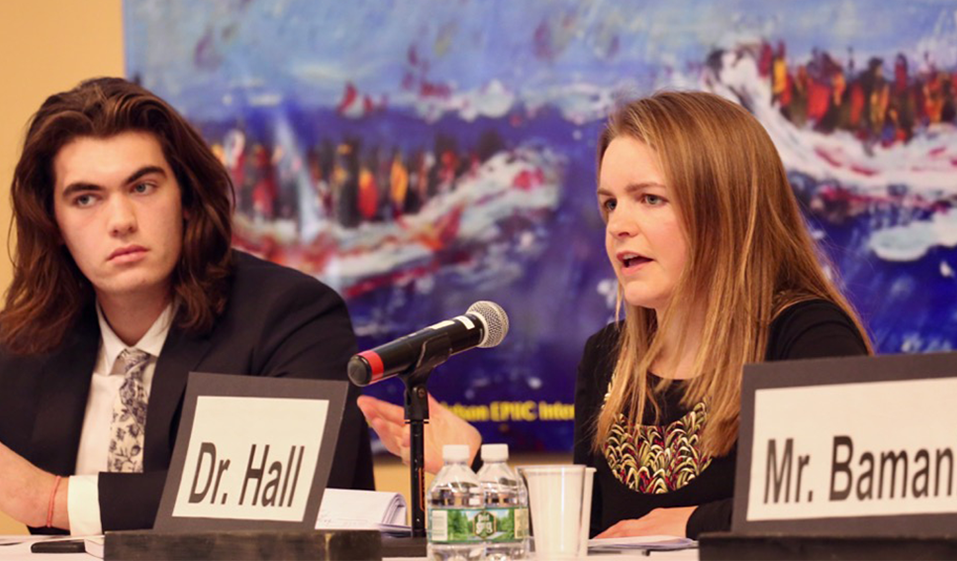
Dr. Nina Hall gives her opening remarks on the “Defining Refugees in a Changing Climate”panel.
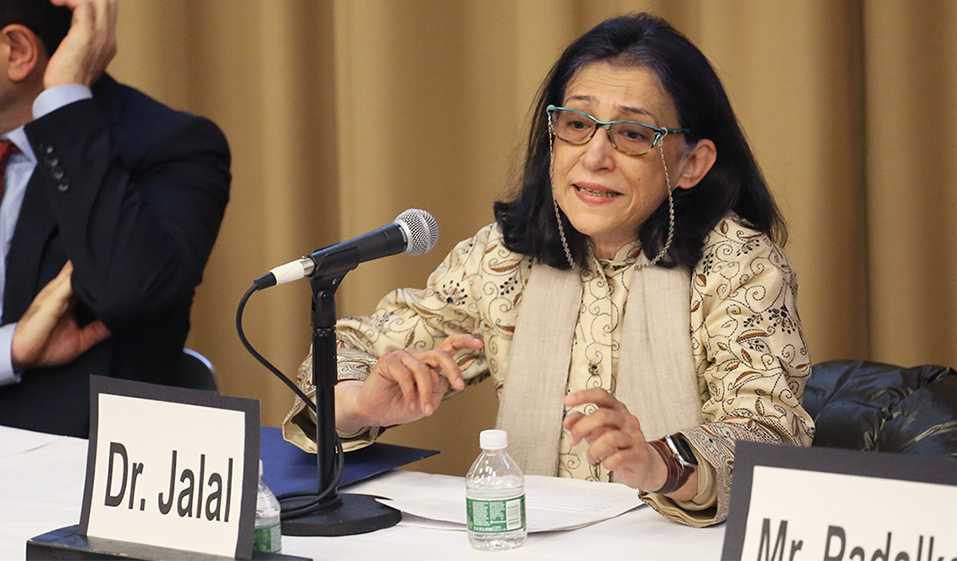
Tufts University professor Ayesha Jalal speaks on the EPIIC Symposium panel “How South to South Migration is Changing our World.”
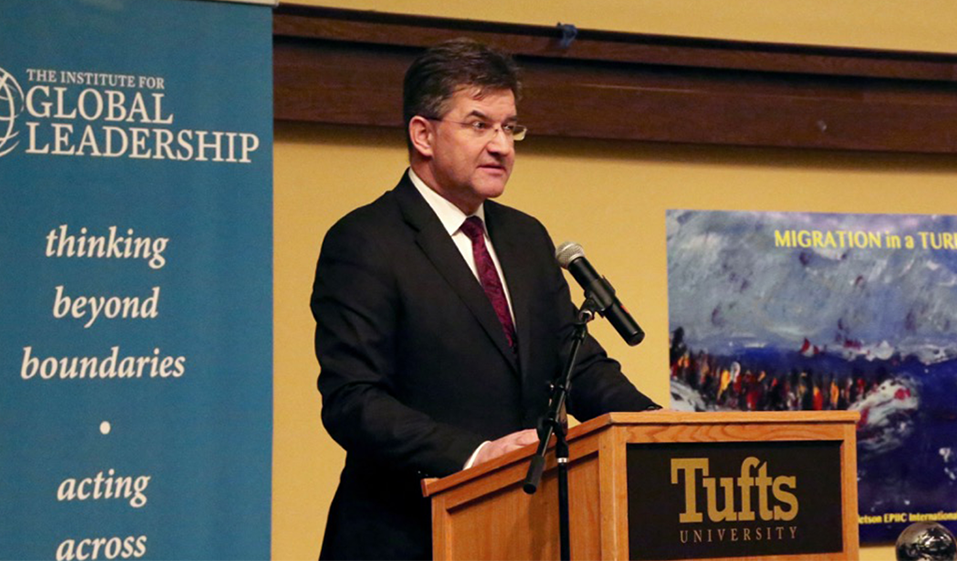
Foreign Minister Mr. Miroslav Lajcákdelivers a beautiful keynote address on “The Need for Better Managing International Migration.”
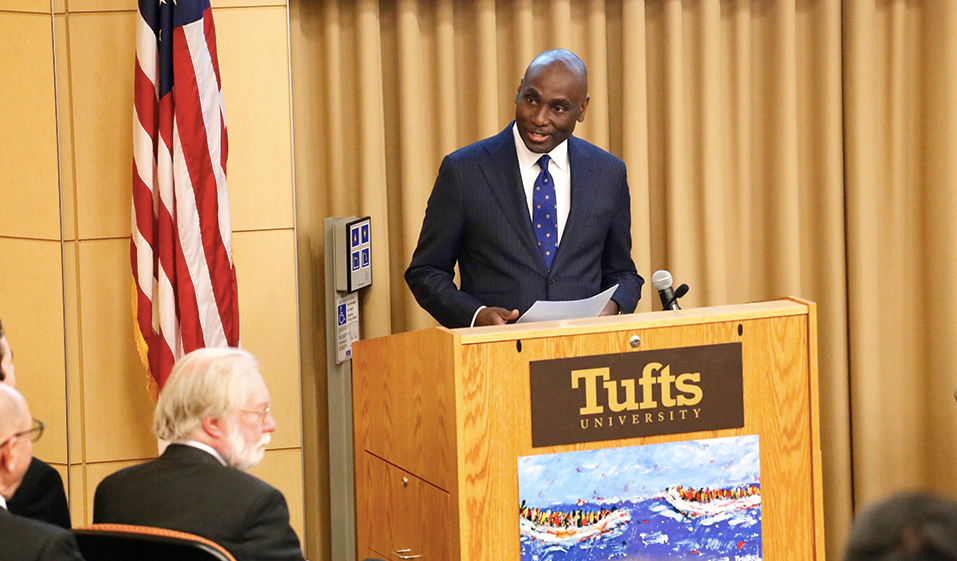
Professor Williams introduces our first Keynote Speaker, Paul Collier, author of Exodus: How Migration is Changing our World.
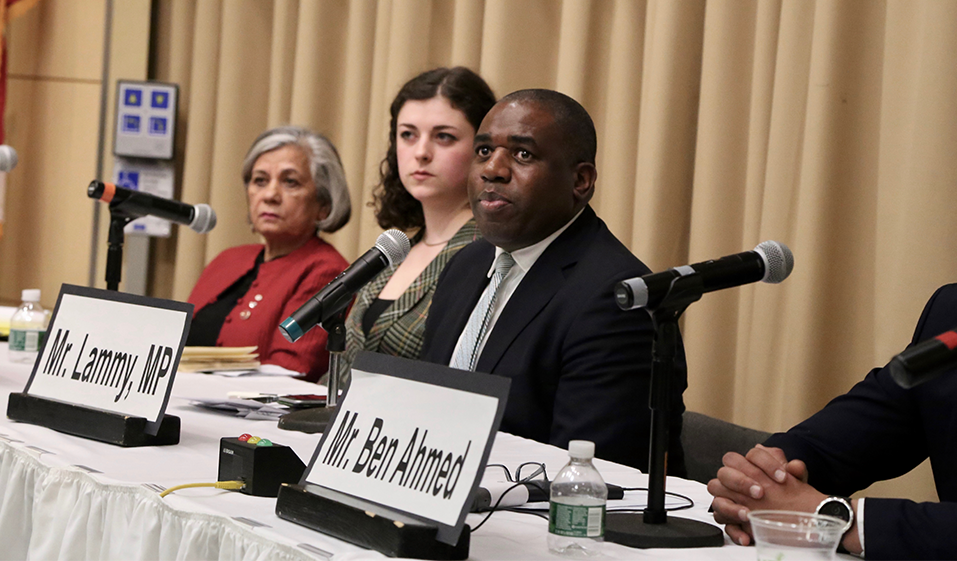
The Right Honorable David Lammy, MP, speaks on inclusion and integration policies that affect migrants.
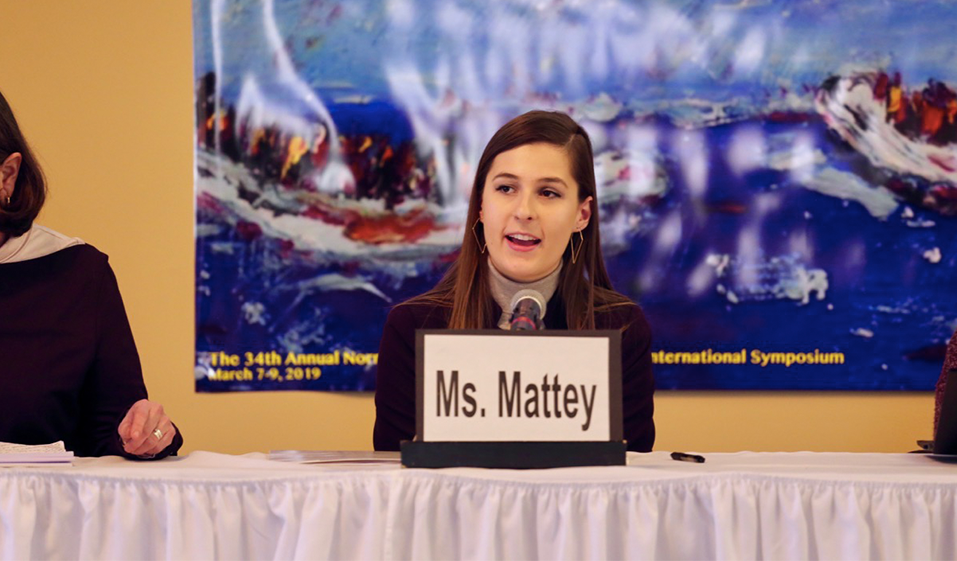
Nicole Mattey (A’22) moderates the “Gender and Migrati♀n” panel at the EPIIC Symposium.
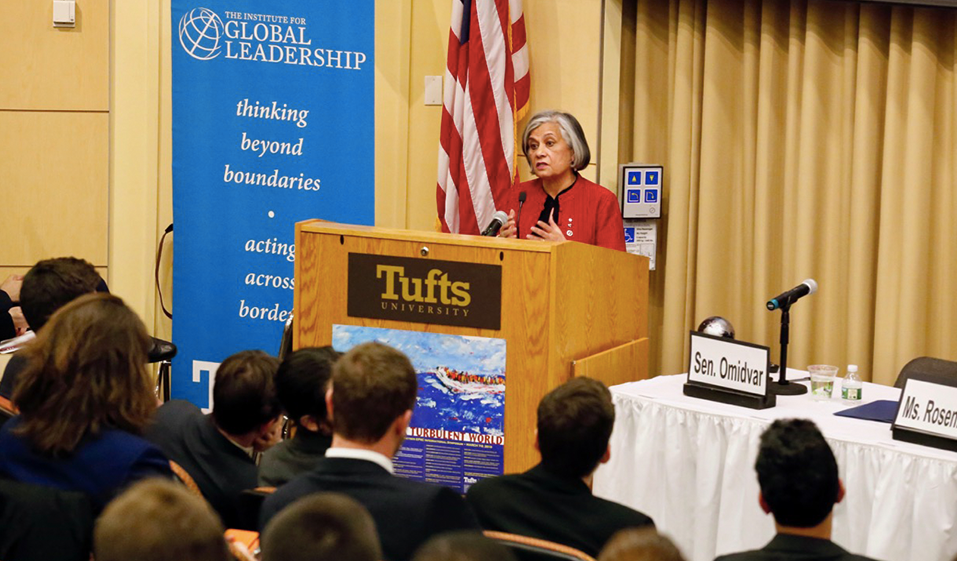
The Hon Ratna Omidvar, C.M., O.Ont., Senator for Ontario speaks about Barriers to Belonging: Integration, Adaptation and Exclusion
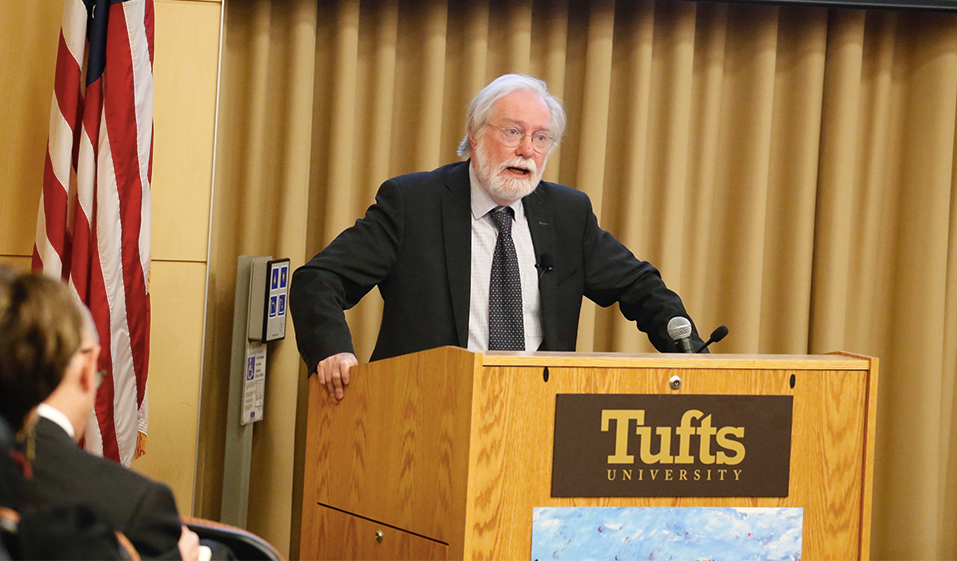
Keynote Speaker Paul Collier brings his expertise to the EPIIC Symposiumin a passionate speech on migration in the modern world.
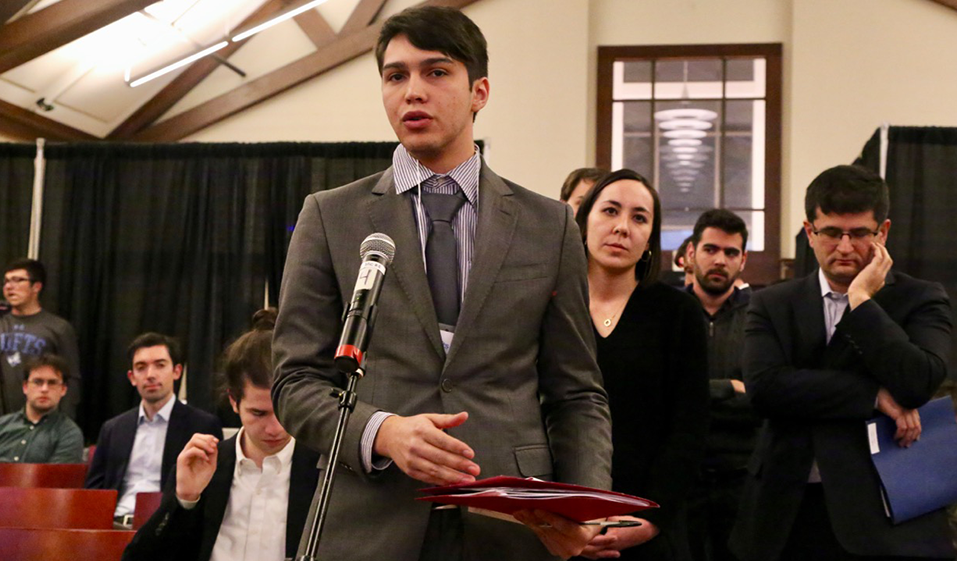
A student asks a question during the Q&A
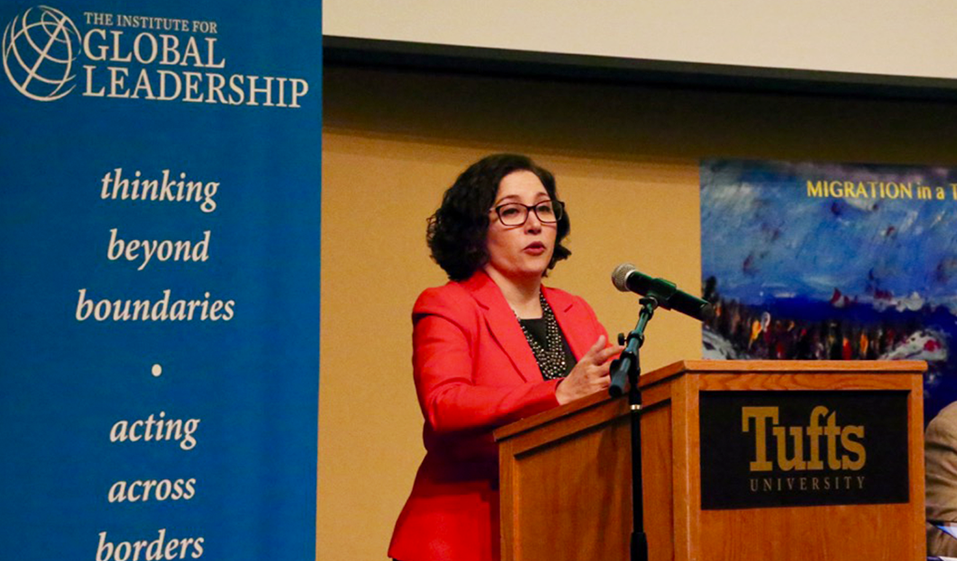
Laura Rótolowith the ACLU of Massachusetts speaks on the “Paradox of Sovereignty and Global Migration”panel at the EPIIC Symposium.
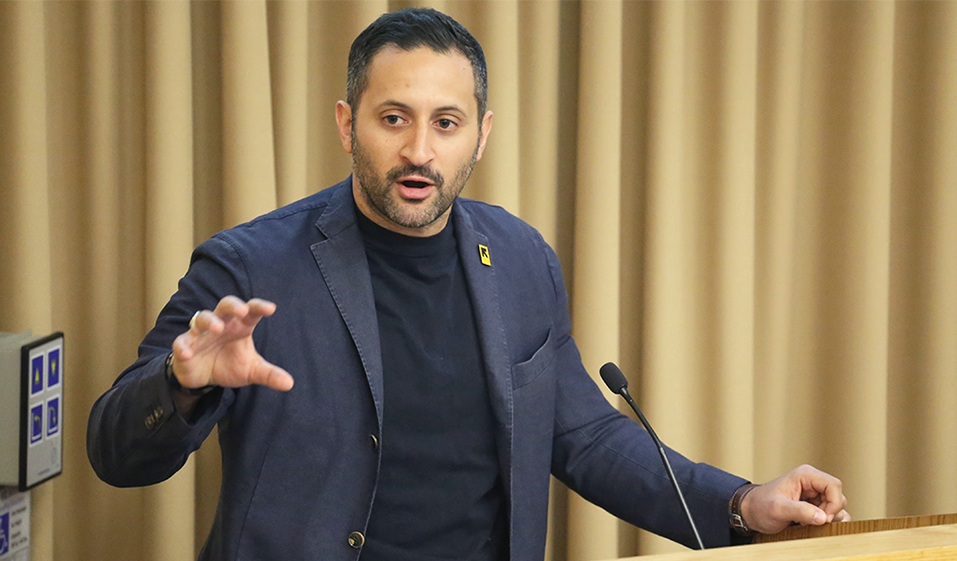
Urban Technical Advisor for the International Rescue Committee, Samer Saliba, participates in the “Cities: Migration’s Frontline” panel.
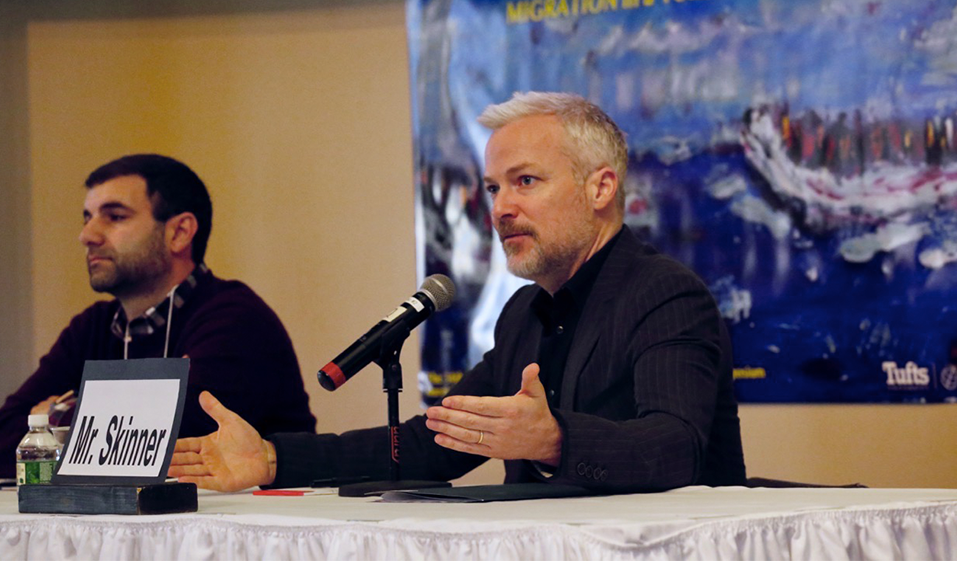
E. Benjamin Skinner gives insight during the “Hidden in Plain Sight: 21st Century Slavery and Human Trafficking” panel at the EPIIC Symposium.

TILIP delegates enjoy the lively discussion at this year’s EPIIC Symposium panels.
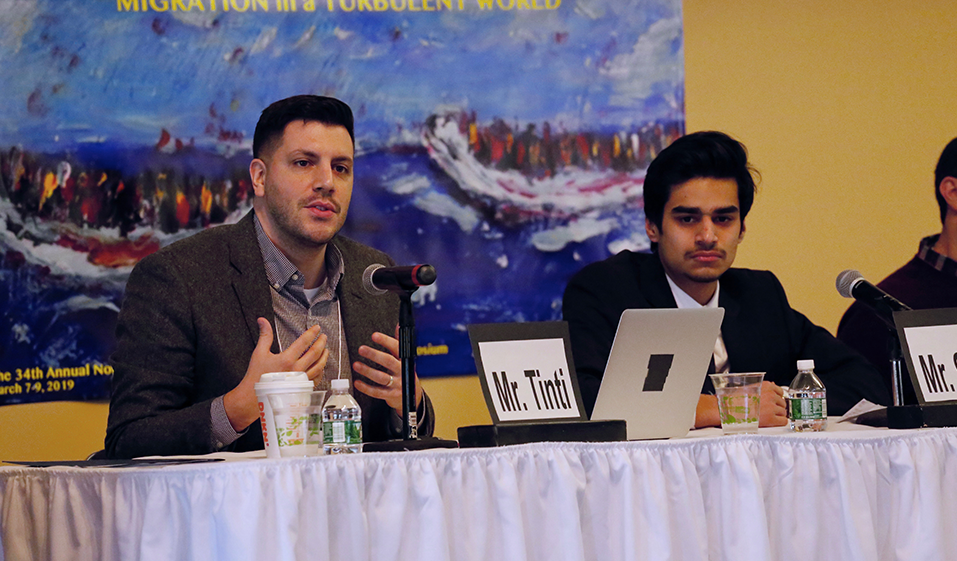
Journalist Peter Tinti answers audience questions on modern day slavery and human trafficking.